
Development & Servicing
Development and servicing: how raw land becomes usable
The technical steps turning raw land into buildable, habitable land in Cameroon.
10 min readRead
Legal conditions, administrative procedures, costs and profitability — everything to know before subdividing land in Cameroon.

A residential subdivision divides land into several plots for housing construction. The operation requires administrative approval and involves creating shared infrastructure (roads, utilities) serving all plots.
Technical and regulatory analysis of the land: topography, constraints, subdivision potential, applicable standards.
Plan drawn up by a licensed surveyor: plot boundaries, road layout, common areas, utilities.
Administrative file: subdivision plan, land title, presentation note, identity documents.
File examined by planning services, consultation of technical services (water, power, roads).
Subdivision approval order issued by the Mayor or Prefect depending on area.
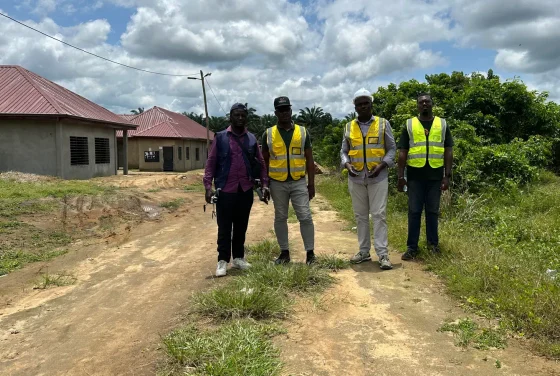
Infrastructure works: roads, utilities, green spaces.
Works accepted by the competent services, then plot marketing.
A subdivision's profitability depends on the raw land acquisition price, servicing costs, administrative fees and plot sale prices. Generally, a well-planned subdivision in a demanded zone multiplies initial value by 3 to 6.
Legally, marketing must follow works acceptance. In practice, off-plan sales are possible with solid contractual guarantees.
VISION-H Team
Land Planning Experts — VISION-H SARL
The VISION-H team brings together engineers, surveyors and lawyers specialised in Cameroonian land. Our articles are written from our field experience and the regulations in force.
Our resources
Development & Servicing
The technical steps turning raw land into buildable, habitable land in Cameroon.
Land Investment
Land banking, residential development, servicing — the strategies that generate land value in Cameroon.
Our resources give you the foundations. For your specific situation, talk directly to a VISION-H expert.
Talk to an expert